
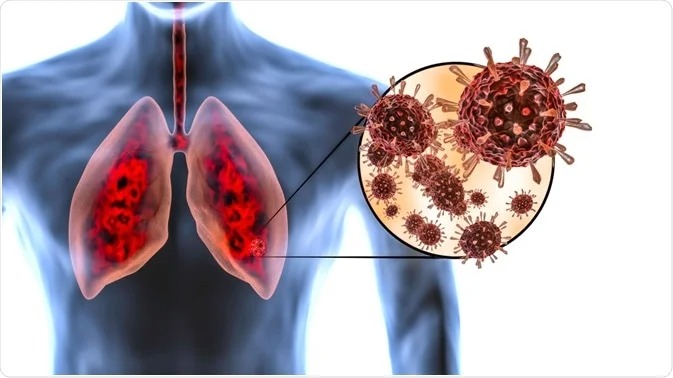
Post-COVID Lung Disease
Post-COVID lung disease refers to persistent respiratory symptoms and structural lung damage that continue weeks to months after recovery from acute infection caused by COVID-19. It is part of the broader condition known as Long COVID.
Common Symptoms
Patients may present with:
- Chronic dry cough
- Shortness of breath (especially on exertion)
- Chest tightness
- Fatigue
- Reduced exercise tolerance
Types of Lung Involvement
- Post-COVID Pulmonary Fibrosis
- Permanent scarring of lung tissue
- Reduced lung compliance
- Organizing Pneumonia
- Persistent inflammation responsive to steroids
- Residual Ground Glass Opacities
- Seen on HRCT chest
- Bronchiectasis (in some cases)
Risk Factors
- Severe COVID pneumonia
- ICU admission / mechanical ventilation
- Advanced age
- Smoking history
- Pre-existing lung disease (e.g., COPD, ILD)
When to Seek Medical Help
- Persistent breathlessness
- Oxygen saturation <94%
- Worsening cough or chest pain
-
Prevention Tips
- Early treatment of acute COVID
- Avoid smoking
- Regular follow-up after recovery
- Maintain lung fitness with exercises
-
Key Takeaway
Post-COVID lung disease is a significant long-term complication, but early diagnosis, rehabilitation, and proper management can greatly improve quality of life.

Share Post:
Share Post: